
Neurosurgery in Sangli
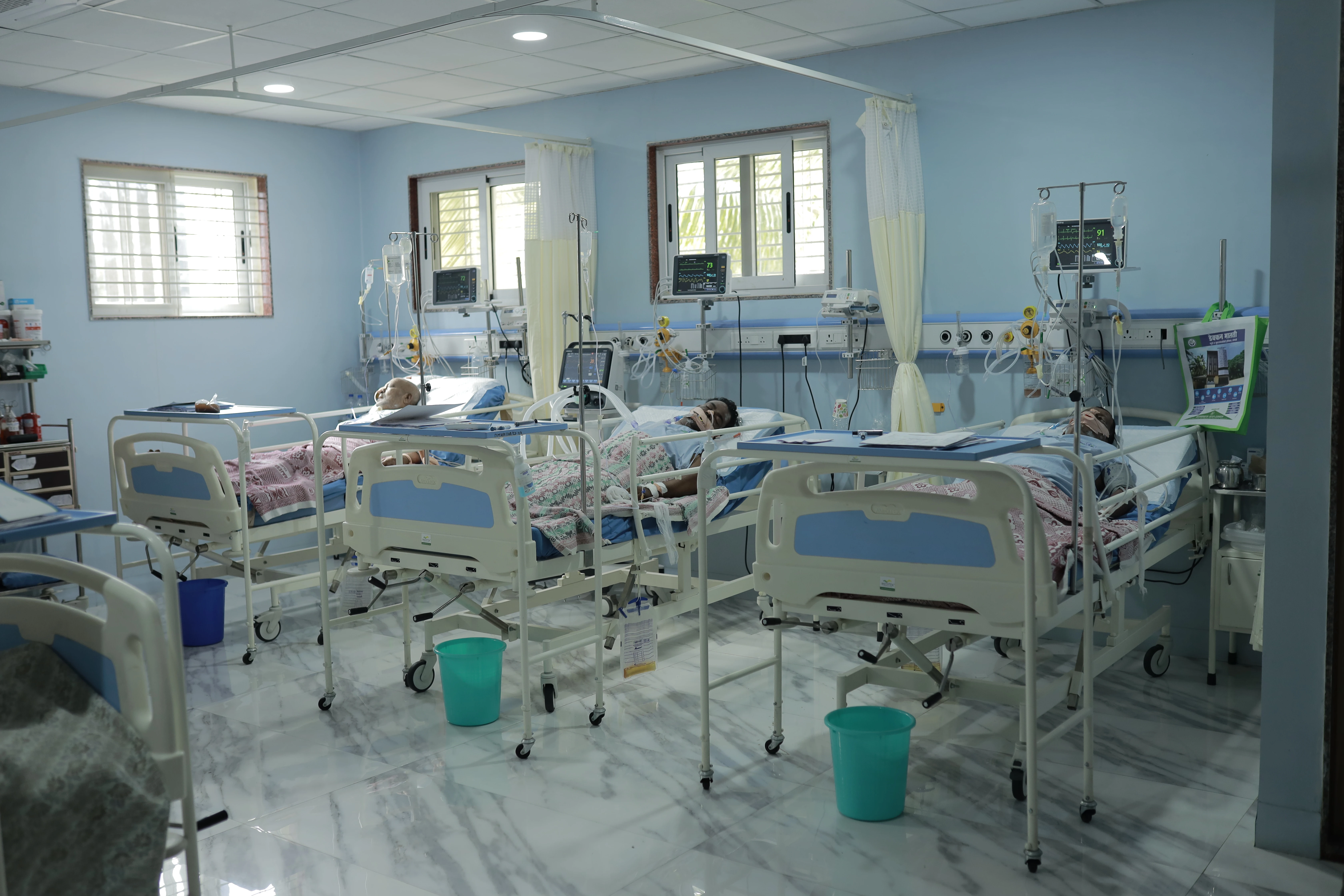
The Neurosurgery department at Deccan Malti Neuro & Superspeciality Hospital, Sangli provides specialist evaluation and surgical care for conditions affecting the brain, spine and peripheral nerves. Led by Dr. Rohan Patil, MS, M.Ch (Neurosurgery), the department focuses on careful diagnosis, honest counselling and surgery only when it is clearly indicated. Patients from Sangli district and surrounding regions can access advanced neurosurgical opinion close to home, supported by the hospital's 35-bedded inpatient facility and coordinated multi-speciality team.
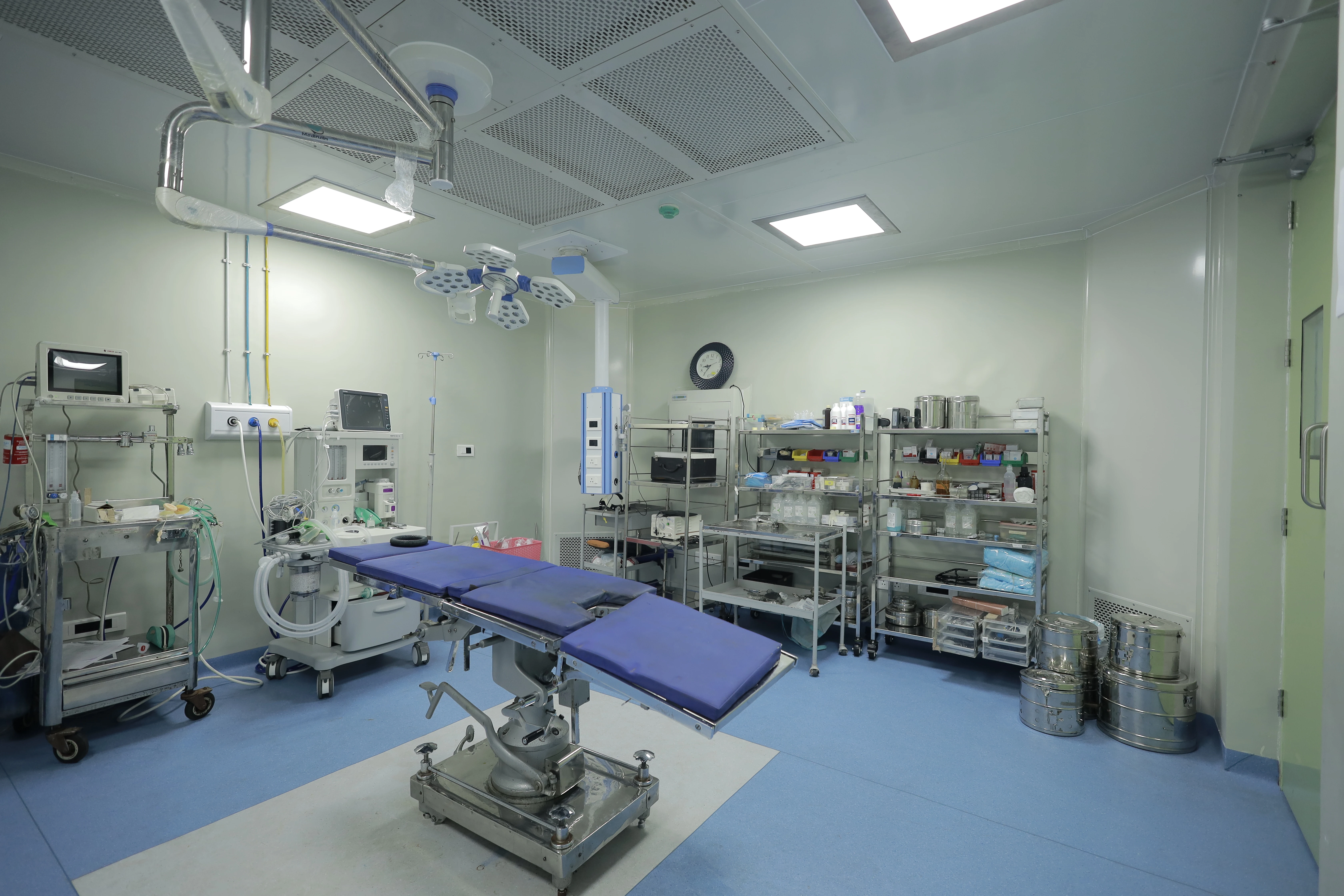
How our neurosurgery team can help
Many people delay seeing a neurosurgeon because the word "surgery" sounds frightening. In reality, a neurosurgical consultation is first and foremost an evaluation. A large number of brain and spine conditions are managed without an operation — with medicines, physiotherapy, lifestyle changes and periodic monitoring. Surgery is recommended only when it offers a clear, explainable benefit.
At this department, your consultation begins with listening: your symptoms, how they started, how they affect your work, sleep and family life. The surgeon then reviews any scans you already have, performs a focused neurological examination, and explains the findings in simple Marathi, Hindi or English — whichever you are most comfortable with.
When surgery is advisable, you will be told why, what the alternatives are, what the realistic benefits and risks look like, and what recovery typically involves. The final decision is always yours, taken together with your family, without pressure.
Conditions we evaluate and treat
Brain Tumours
Abnormal growths within or around the brain. Evaluation involves neurological examination and MRI/CT imaging; management may include observation, surgery or referral for additional therapy depending on type and location.
Herniated (Slipped) Disc
When the cushion between spinal bones bulges and presses on a nerve, causing back or neck pain radiating to an arm or leg. Most cases improve with conservative care; surgery is considered for severe or progressive nerve compression.
Spinal Stenosis
Narrowing of the spinal canal, usually with age, causing leg pain or heaviness while walking that eases on sitting. Graded treatment ranges from physiotherapy to decompression surgery.
Head Injury
Injuries from falls, two-wheeler accidents or assaults may cause concussion, skull fracture or bleeding inside the head. Even seemingly mild injuries can be significant in the elderly and those on blood thinners.
Brain Haemorrhage
Bleeding within or around the brain, often related to high blood pressure, aneurysm or injury. Requires urgent assessment; some patients need surgical intervention, others intensive monitoring.
Trigeminal Neuralgia & Nerve Pain
Severe, electric-shock-like facial pain or nerve pain elsewhere. Initial treatment is medical; surgical options exist for selected patients whose pain remains uncontrolled.
Hydrocephalus
Accumulation of fluid within the brain's cavities, seen in children and adults. Symptoms include headache, imbalance, memory decline or, in infants, an enlarging head. Treatment often involves a shunt or endoscopic procedure.
Symptoms that deserve evaluation
- Persistent or progressively worsening headache, especially with vomiting
- A first seizure (fit) at any age
- Weakness, numbness or clumsiness in an arm or leg
- Back or neck pain radiating into a limb, with tingling or weakness
- Difficulty walking, frequent falls or imbalance
- Changes in vision, speech, memory or behaviour
- Pain that does not improve with 4–6 weeks of standard treatment
Sudden severe headache, one-sided body weakness, slurred speech, fits, or loss of consciousness are medical emergencies. Do not wait for an outpatient appointment — go to the nearest emergency facility or call local emergency services immediately.
How we diagnose
Diagnosis in neurosurgery begins with the consultation itself — the history of your symptoms and a structured neurological examination of strength, sensation, reflexes, balance and coordination often narrow down the problem before any scan is ordered.
When imaging is needed, the surgeon will explain which test answers the clinical question: MRI for most brain and soft-tissue spine problems, CT for trauma and bleeding, and X-rays for alignment and bony issues. Nerve conduction studies may be suggested for peripheral nerve problems. Specific test availability should be confirmed with the hospital at the time of booking [VERIFY FACILITY].
Existing reports and scans are always reviewed first, so please carry them — repeat testing is avoided unless genuinely required.
Treatments & procedures
Treatment follows a stepwise philosophy. Wherever a condition can be safely managed without surgery, that path is offered first: medication, physiotherapy guidance, activity modification and scheduled review.
When an operation is clinically indicated, the options are explained with their expected benefits, risks and recovery course. Procedures that may be undertaken, depending on the condition, include microsurgical removal of brain tumours, surgery for brain haemorrhage, discectomy and decompression for disc and stenosis problems, spinal stabilisation when instability is present, and shunt or endoscopic procedures for hydrocephalus.
Surgical decisions at this hospital are shared decisions. You will receive time to think, to ask questions, and to discuss with family. A second opinion is never discouraged — confidence in the plan matters.
Why patients choose this department
- Specialist-led care — evaluation and surgery by an MS, M.Ch qualified neurosurgeon with 10+ years of experience
- Conservative-first philosophy — surgery advised only when clearly indicated
- Coordinated support from neurology, critical care and rehabilitation within one hospital
- Advanced neurosurgical care in Sangli itself, avoiding repeated travel to metro cities
- Clear communication in the language you understand, with time for your questions
Your journey through this department
Request online, call, or WhatsApp. Share your reports in advance if possible.
Detailed history, neurological examination and review of existing scans.
MRI/CT or other tests advised only when they will change the plan.
Options explained — conservative or surgical — with benefits, risks and costs discussed openly.
If surgery is done, structured post-operative care, early mobilisation and planned follow-up.
Preparing for your visit
- All previous consultation papers and discharge summaries
- MRI/CT/X-ray films or discs with their reports
- A written list of current medicines, including blood thinners
- Blood sugar, pressure and other recent lab reports
- Insurance card and policy documents, if applicable
- A family member who can help describe the history
Recovery & follow-up
Recovery after neurosurgery varies widely — from a day or two after a straightforward spine procedure to a few weeks after major brain surgery. Your surgeon will outline what is realistic for your specific operation: expected hospital stay, when you can walk, return to work, and drive.
Follow-up visits are essential. Wound checks, suture removal, review scans and gradual return to activity are planned for you. Physiotherapy, when advised, is a genuine part of recovery rather than an optional extra.
Keep emergency contact numbers handy after discharge, and report fever, wound discharge, worsening headache, new weakness or drowsiness immediately.
Neurosurgery — questions patients ask
Does every back pain need spine surgery?
Is brain surgery always high risk?
How long will I stay in hospital after spine surgery?
My MRI shows a disc bulge. Do I need an operation?
What is the difference between a neurologist and a neurosurgeon?
Can I get a second opinion here even if I was advised surgery elsewhere?
Are blood thinner medicines a problem for surgery?
Will my hair be shaved for brain surgery?
How soon can I travel after neurosurgery?
Ready to talk to a specialist?
Request an appointment and our team will call you to confirm a convenient slot.