
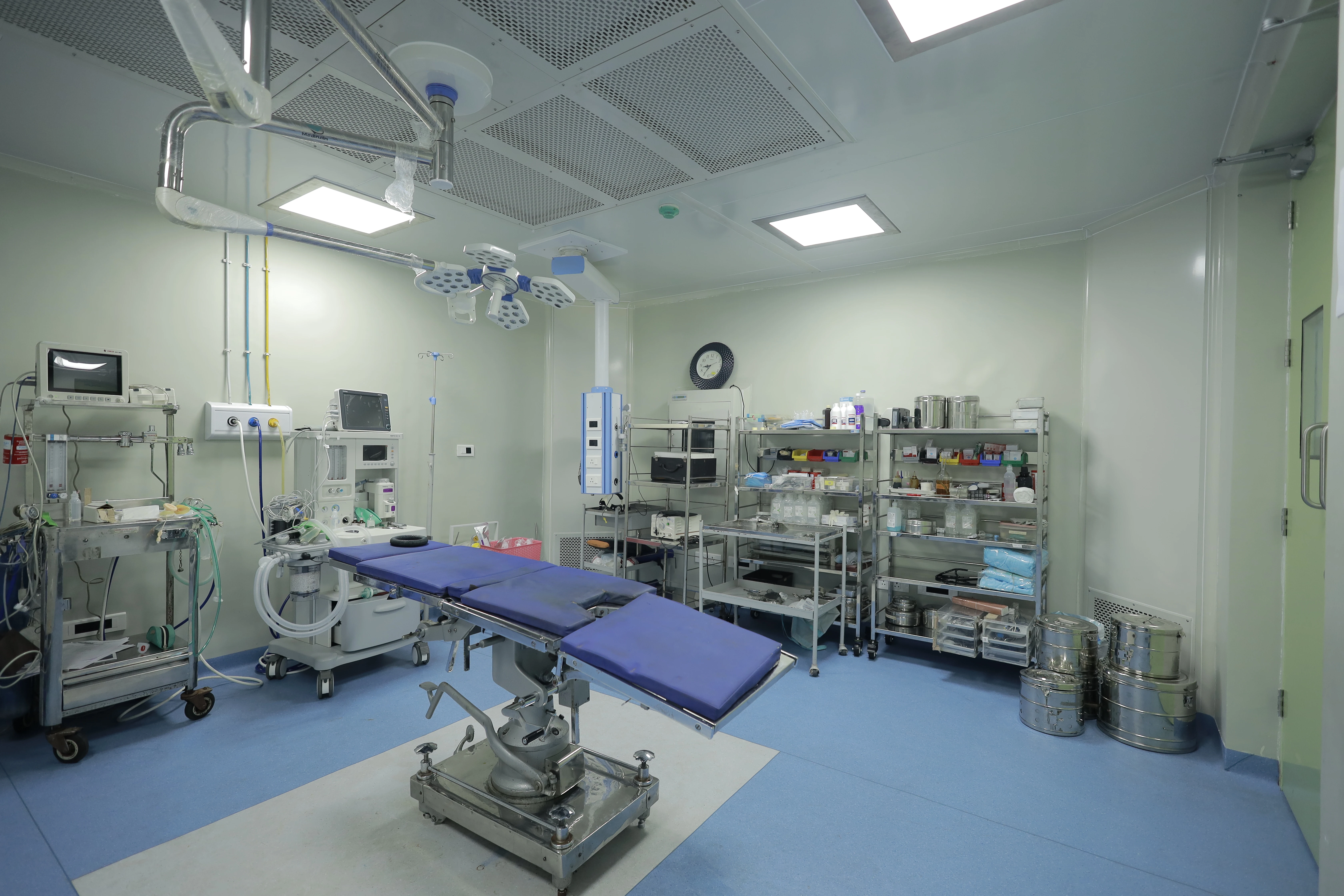
Colorectal Surgery in Sangli
The Colorectal Surgery department treats conditions of the colon, rectum and anal region — piles, fissures, fistulas, rectal prolapse and bowel problems requiring surgery. These conditions cause real suffering but are often endured silently out of embarrassment. At Deccan Malti Hospital, Sangli, consultations are unhurried and private, examinations are done with dignity, and treatment is honest: many anorectal conditions resolve with simple measures, while those needing procedures get clear explanations and structured aftercare.
How our colorectal surgery team can help
Anorectal problems carry a double burden — the condition itself, and the hesitation to seek help. Patients commonly self-treat bleeding as "piles" for years with over-the-counter remedies. Two facts make this risky: first, many of these conditions are easily treatable when properly assessed; second, not all rectal bleeding is piles, and assuming so without examination can delay diagnosis of more serious conditions.
A colorectal consultation is far less uncomfortable than most people fear. The history is taken respectfully, examination is brief and gentle with full explanation, and you leave with a clear diagnosis and plan rather than vague worry.
Treatment philosophy here is conservative-first: dietary correction, toilet habits and medicines resolve a large proportion of fissures and early piles. Procedures are reserved for conditions that genuinely need them.
Conditions we evaluate and treat
Piles (Haemorrhoids)
Swollen cushions in the anal canal causing painless bleeding, itching or prolapse. Early grades respond to fibre, fluids and medicines; advanced piles may need banding or surgery.
Anal Fissure
A small tear causing sharp pain during and after passing stool, often with a drop of blood. Most acute fissures heal with stool softening and ointments; chronic ones may need a minor procedure.
Anal Fistula
An abnormal tract near the anus causing recurrent discharge or repeated abscesses. Fistulas do not heal on their own; surgery is planned to cure the tract while protecting continence.
Rectal Prolapse
The rectum protrudes through the anus, initially on straining, later even on standing. Surgical repair offers definitive correction.
Colorectal Cancer Evaluation
Changed bowel habits, bleeding, unexplained anaemia or weight loss are evaluated with examination, colonoscopy and imaging. Early-stage disease has far better outcomes.
Pilonidal Sinus
An infected tract in the cleft above the buttocks, common in young men, causing pain and discharge. Definitive treatment is surgical, with modern techniques reducing recurrence.
Symptoms that deserve evaluation
- Bleeding during or after passing stool — any amount, recurring
- Sharp anal pain during defecation persisting beyond two weeks
- Something coming out of the anus while straining
- Recurrent pus discharge or repeated boils near the anus
- A persistent change in bowel habit — constipation, looseness, or narrowing of stool
- Unexplained weight loss or anaemia with bowel symptoms
Large-volume rectal bleeding, severe anal pain with fever (possible abscess), or an irreducible painful prolapse need urgent surgical assessment. Do not manage these at home.
How we diagnose
Diagnosis begins with a respectful history and a gentle examination of the anal region — in most cases of piles, fissure and fistula, this alone establishes the diagnosis. Proctoscopy, a brief instrument examination, allows direct visualisation.
Colonoscopy is advised when symptoms suggest disease higher in the bowel: bleeding in patients over 40–45, changed bowel habits, unexplained anaemia, or a family history of colorectal cancer. Imaging such as MRI helps map complex fistulas before surgery.
Every finding is explained with its implications, and where a biopsy is taken, results are discussed in person with the treatment plan.
Treatments & procedures
Conservative treatment is genuinely effective for early disease: fibre and fluid targets, toilet-habit correction, sitz baths and appropriate medicines resolve most acute fissures and early piles. You receive written guidance, not just verbal advice.
When procedures are needed, options are matched to the condition: rubber band ligation for suitable piles, surgical haemorrhoidectomy for advanced disease, sphincter-sparing techniques for fissures, and fistula procedures chosen to cure the tract while protecting continence.
Bowel surgery for larger conditions is planned with full pre-operative assessment and, where appropriate, laparoscopic approaches. Stoma formation, when unavoidable, is counselled honestly and supported with practical training.
Why patients choose this department
- Dignity-first consultations — private, unhurried, respectful
- Conservative-first philosophy; procedures only when genuinely indicated
- Proper evaluation of bleeding — serious causes ruled out, not assumed away
- Continence-protecting surgical planning for fistula and fissure surgery
- Clear written aftercare guidance for home recovery
Meet your care team
Specialist details for this department are being updated. Please call +91 883 000 6879 to consult.
Your journey through this department
Respectful history and gentle examination; proctoscopy where needed.
Colonoscopy or MRI for specific situations, with reasons explained.
Diet, habit and medicine plan tried first where appropriate.
Banding, day-care or planned surgery with continence-protecting technique.
Written home care, diet progression and follow-up to confirm healing.
Preparing for your visit
- A clear account of symptoms — duration, bleeding pattern, pain, bowel habits
- Previous prescriptions, colonoscopy reports or operative notes
- Current medicine list including blood thinners
- Family history of bowel conditions or cancer
- Insurance documents for planned procedures
- For colonoscopy: follow the preparation instructions given at booking precisely
Recovery & follow-up
Recovery from anorectal procedures centres on keeping stools soft: fibre, fluids and prescribed stool softeners prevent the pain and bleeding that straining causes. Most patients resume light activity within days and work within one to two weeks, depending on the procedure.
Sitz baths — sitting in warm water for 10–15 minutes — provide genuine relief and are recommended after most anorectal procedures, two to three times daily initially.
Follow-up confirms healing and, importantly, addresses the habits that caused the problem — constipation management and dietary change — so that the condition does not return.
Colorectal Surgery — questions patients ask
Is every rectal bleed due to piles?
Do piles come back after surgery?
Is fistula surgery risky for continence?
Can a fissure heal without surgery?
What is a colonoscopy and does it hurt?
I am embarrassed to consult for an anal problem. What should I expect?
How long is the hospital stay for piles surgery?
What diet prevents piles and fissures from returning?
Ready to talk to a specialist?
Request an appointment and our team will call you to confirm a convenient slot.