
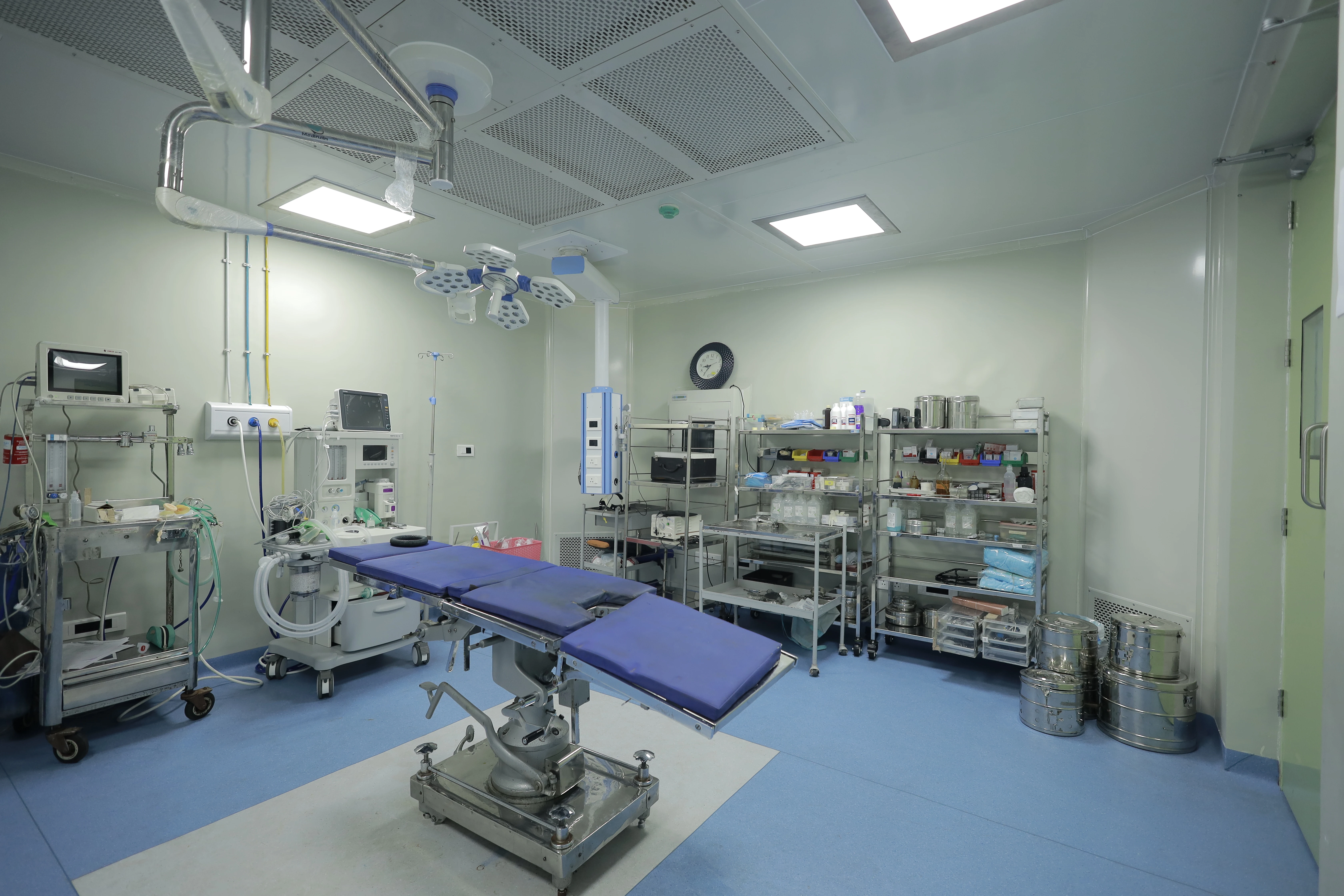
Neurology in Sangli
The Neurology department cares for conditions of the brain, spinal cord, nerves and muscles that are treated primarily without surgery. This includes headache and migraine, epilepsy, stroke evaluation and prevention, movement disorders such as Parkinson's disease, neuropathies, memory problems and dizziness. At Deccan Malti Hospital, Sangli, neurological care works hand-in-hand with the neurosurgery team, so patients receive the right treatment — medical or surgical — without being shuttled between hospitals.
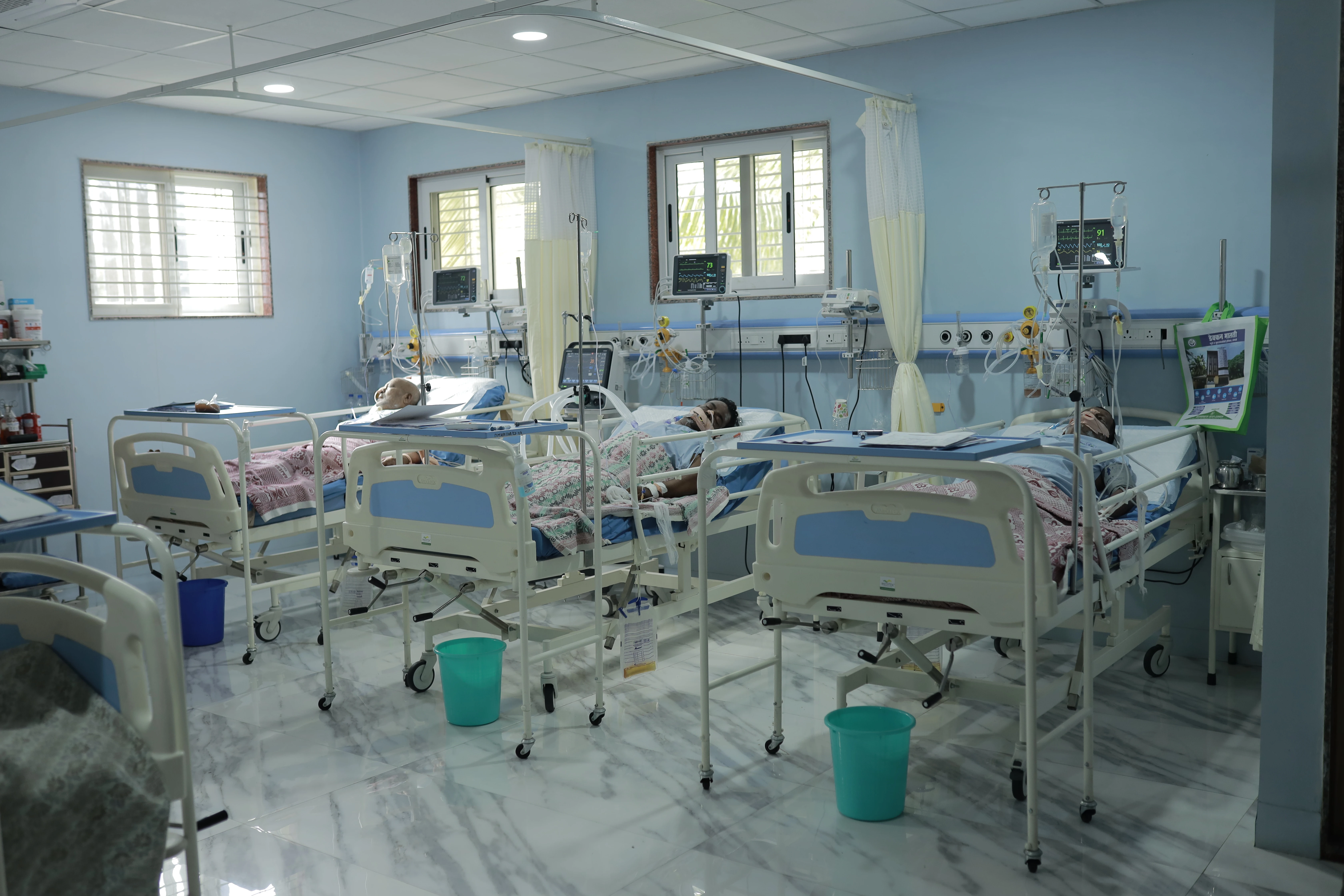
How our neurology team can help
Neurological symptoms can be worrying precisely because they are hard to describe: a tremor that comes and goes, a headache unlike previous ones, a hand that feels numb at night. A neurologist's job is to translate these symptoms into a clear diagnosis through careful listening and a structured examination.
Most neurological conditions are long-term companions rather than one-time events — migraine, epilepsy and Parkinson's disease are managed, not "cured" in one visit. Good neurological care means a doctor who explains the condition, sets realistic expectations, adjusts treatment over time and stays accessible when symptoms change.
This department emphasises exactly that: unhurried consultations, plain-language explanation of reports, and practical treatment plans that fit a patient's daily life and budget.
Conditions we evaluate and treat
Migraine & Headache Disorders
Recurrent headaches, often with nausea or light sensitivity. Diagnosis is clinical; treatment combines trigger management, preventive medicines where needed, and acute attack treatment.
Epilepsy & Seizures
A tendency to recurrent seizures. Evaluation may include EEG and MRI. Most patients achieve good control with the right anti-seizure medicine taken regularly.
Stroke & TIA
Sudden interruption of blood flow to the brain. Acute stroke is an emergency; after stabilisation, neurology care focuses on finding the cause and preventing recurrence with medicines and risk-factor control.
Parkinson's Disease & Movement Disorders
Tremor, slowness, stiffness and balance problems. Treatment is individualised with medicines, physiotherapy and regular review as needs change over the years.
Peripheral Neuropathy
Nerve damage causing tingling, burning or numbness, commonly from diabetes. Management targets the cause plus symptom relief and foot-care education.
Memory Disorders & Dementia
Progressive forgetfulness and behaviour change. Evaluation separates treatable causes (thyroid, B12 deficiency, depression) from degenerative conditions, and supports families with practical guidance.
Vertigo & Balance Disorders
Spinning sensation and unsteadiness, often from the inner ear (BPPV) but sometimes neurological. Specific manoeuvres and medicines help most patients.
Symptoms that deserve evaluation
- Headaches that are new, worsening, or waking you at night
- Episodes of unconsciousness, blank staring or jerking movements
- Tremor of the hands, slowness of movement or stiffness
- Persistent tingling, numbness or burning in hands or feet
- Recurrent dizziness or loss of balance
- Progressive forgetfulness affecting daily functioning
- Double vision, difficulty swallowing or slurred speech
Symptoms of stroke — sudden face droop, arm weakness, speech difficulty, sudden vision loss or the worst headache of your life — are emergencies where minutes matter. Reach the nearest emergency facility immediately; do not wait for an appointment.
How we diagnose
Neurological diagnosis rests heavily on the clinical consultation. The pattern of symptoms — when they started, what triggers them, how they evolve — combined with examination findings usually points to the diagnosis or a short list of possibilities.
Tests are chosen to answer specific questions: EEG for seizure evaluation, MRI/CT of brain or spine for structural causes, nerve conduction studies and EMG for neuropathy and muscle disease, and blood tests for reversible causes such as vitamin B12 deficiency or thyroid problems. Please confirm specific test availability with the hospital when booking [VERIFY FACILITY].
Bring previous prescriptions, reports and scans — in neurology, how a condition responded to past treatment is itself valuable diagnostic information.
Treatments & procedures
Neurological treatment is overwhelmingly medical and rehabilitative. The department's approach is to start with the simplest effective regimen, explain each medicine's purpose and side effects, and review at defined intervals to adjust doses.
For chronic conditions like epilepsy, migraine and Parkinson's disease, the treatment plan includes practical lifestyle guidance: sleep regularity, trigger avoidance, driving and safety counselling for epilepsy, and fall-prevention strategies for movement disorders.
Where a condition needs surgical input — certain epilepsy evaluations, nerve compressions, or structural brain findings — the in-house neurosurgery team is involved early, keeping care coordinated under one roof.
Why patients choose this department
- Medical and surgical neurology under one roof — no conflicting opinions across hospitals
- Long-term condition management with structured follow-up, not one-visit treatment
- Plain-language explanation of complex reports and diagnoses
- Stroke prevention focus — identifying and controlling risk factors after an event
- Local, accessible specialist care for Sangli and surrounding districts
Meet your care team
Specialist details for this department are being updated. Please call +91 883 000 6879 to consult.
Your journey through this department
Online, by phone or WhatsApp. Mention ongoing medicines and past reports.
History, symptom timeline and a structured neurological examination.
EEG, imaging or blood tests advised only where they answer a clinical question.
Medicines, lifestyle guidance and safety counselling explained clearly.
Follow-up at defined intervals to track response and adjust treatment.
Preparing for your visit
- A written timeline of your symptoms — when they started and how they changed
- All current and recently stopped medicines (bring the strips if possible)
- Previous EEG, MRI, CT or nerve conduction reports
- For seizures: a family member who has witnessed an episode
- For diabetes-related nerve problems: recent sugar and HbA1c reports
- Insurance documents if you plan to use cover
Recovery & follow-up
Most neurological conditions are managed over months to years, so "recovery" means good control and quality of life rather than a finish line. Regular reviews allow medicines to be adjusted before side effects or symptom breakthroughs become problems.
For stroke survivors, recovery is a team effort involving medicines, physiotherapy, speech or swallow therapy where needed, and family training. Improvement continues for months; consistent rehabilitation makes a measurable difference.
Keep a simple symptom diary between visits — it helps your neurologist fine-tune treatment far better than memory alone.
Neurology — questions patients ask
Are frequent headaches a sign of a brain tumour?
Can epilepsy be cured?
Is stroke hereditary?
My hands tingle at night. Is it serious?
Do seizure medicines have to be taken lifelong?
What is the difference between vertigo and general weakness-related dizziness?
Can Parkinson's disease be treated?
When is memory loss a worry?
Do I need an MRI for migraine?
Ready to talk to a specialist?
Request an appointment and our team will call you to confirm a convenient slot.