
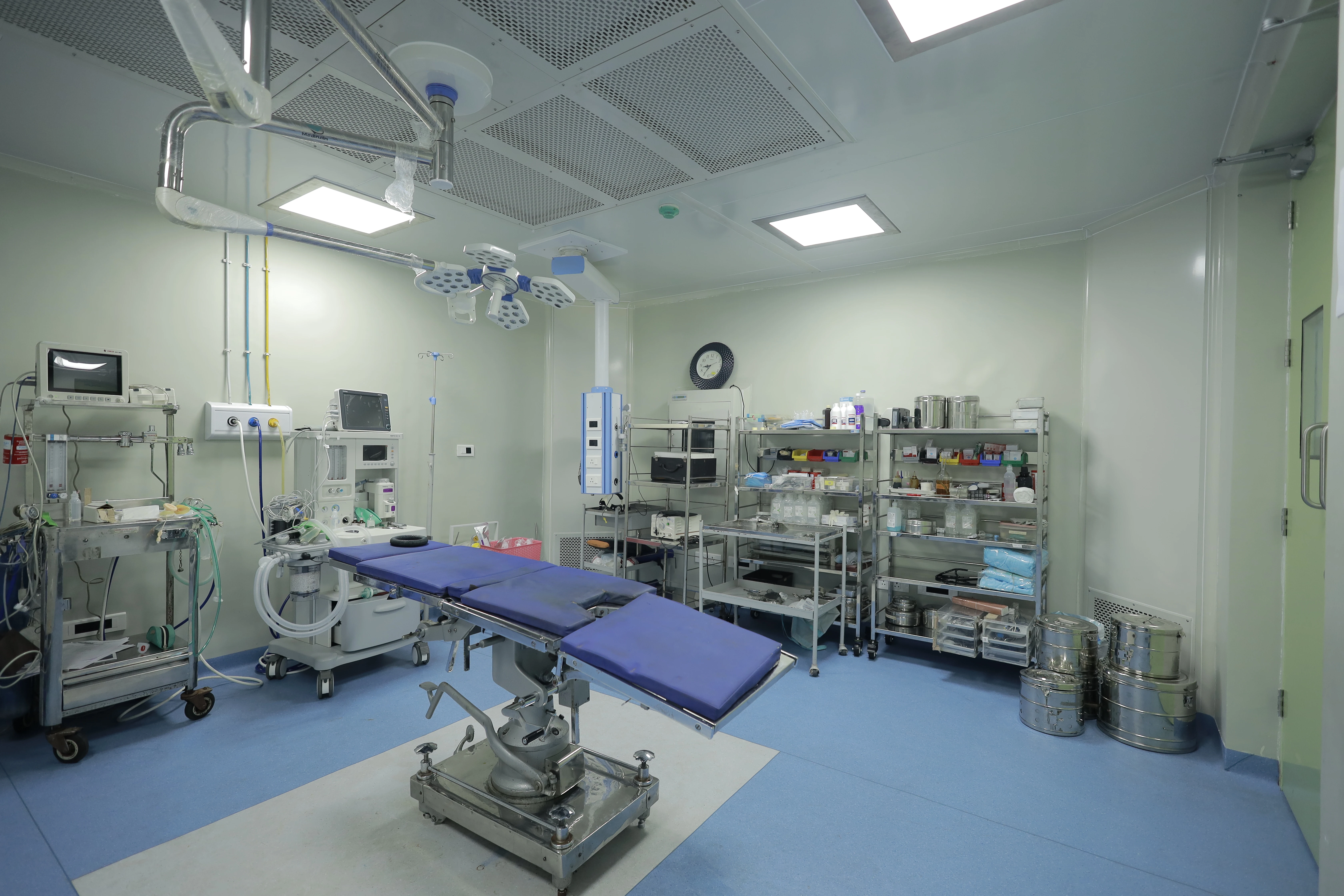
Cardiology in Sangli
The Cardiology department at Deccan Malti Hospital, Sangli provides evaluation and medical management of heart and circulation conditions — chest pain assessment, high blood pressure, cholesterol disorders, heart rhythm problems and heart failure follow-up. Equally important is preventive cardiology: identifying risk early in people with diabetes, family history or lifestyle risk factors, and acting before a heart event occurs. Care is coordinated with the hospital's other specialities for patients who need multi-system management.
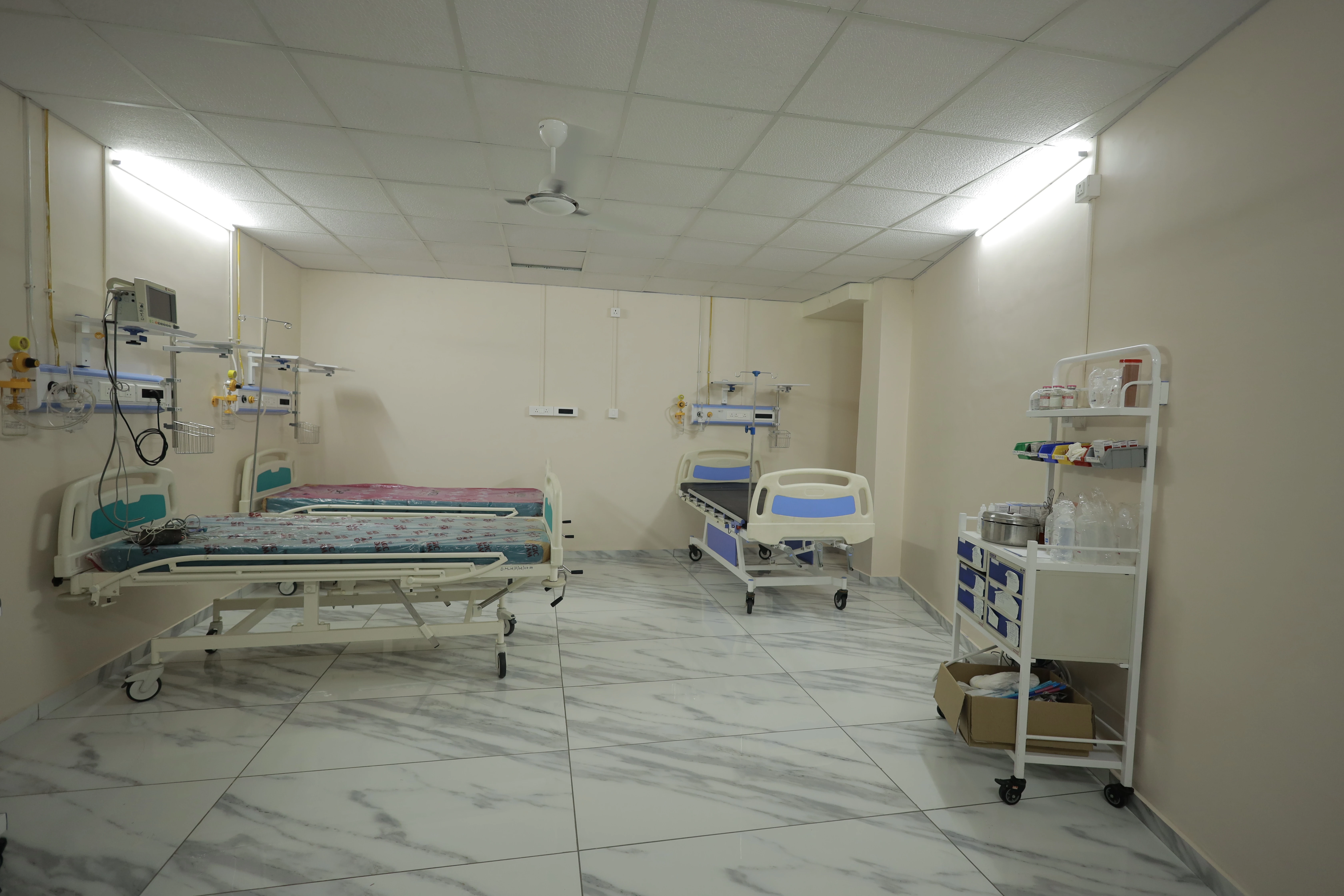
How our cardiology team can help
Heart disease rarely announces itself clearly. More often it whispers — breathlessness climbing stairs that you attribute to age, chest discomfort after meals you blame on acidity, swelling of the feet you ignore. A cardiology consultation turns these vague signals into a clear picture of your heart's condition.
For many patients, the most valuable outcome of a cardiac check-up is reassurance combined with a concrete prevention plan: what your blood pressure, sugar and cholesterol numbers mean, which medicines are truly needed, and which lifestyle changes will give you the most benefit for the effort.
When tests or procedures are advised, the reasons are explained — what the test can show, what it cannot, and how the result will change your treatment.
Conditions we evaluate and treat
Coronary Artery Disease
Narrowing of the heart's own arteries by cholesterol deposits, causing chest pain on exertion (angina) or heart attack. Management spans medicines, risk-factor control and, where indicated, angiography-based procedures.
High Blood Pressure (Hypertension)
A silent condition that damages the heart, brain, kidneys and eyes over years. Usually needs long-term medicine plus salt and weight management, with periodic review.
Heart Rhythm Disorders
Abnormally fast, slow or irregular heartbeat causing palpitations, dizziness or blackouts. ECG and monitoring identify the rhythm; treatment ranges from medicines to device-based care.
Heart Failure
The heart pumps less effectively, causing breathlessness, leg swelling and fatigue. Modern medicines substantially improve symptoms and survival when taken consistently with salt and fluid discipline.
Cholesterol Disorders
High LDL cholesterol silently accelerates artery blockage. Treatment decisions are based on your overall risk, not a single number — explained clearly at consultation.
Valve & Structural Heart Conditions
Leaking or narrowed heart valves may cause murmurs, breathlessness or fatigue. Echocardiography defines severity; mild disease is monitored, significant disease is referred for intervention at the appropriate time.
Symptoms that deserve evaluation
- Chest pain, pressure or burning — on exertion or at rest
- Breathlessness disproportionate to activity, or while lying flat
- Palpitations — racing, pounding or skipped beats
- Blackouts or near-fainting episodes
- Swelling of feet, ankles or abdomen
- Unexplained fatigue limiting daily activity
- You have diabetes, high BP, high cholesterol, smoke, or a family history of early heart disease — even without symptoms
Chest pain or pressure lasting more than a few minutes, especially with sweating, nausea, or pain spreading to the arm, jaw or back, may be a heart attack. Treat it as an emergency — reach the nearest emergency facility immediately rather than waiting for an appointment.
How we diagnose
Cardiac evaluation starts with history, pulse and blood pressure measurement in both arms, and examination of the heart and circulation. An ECG — a ten-minute tracing of the heart's electrical activity — is the most common first test.
Depending on the clinical question, further tests may include echocardiography (ultrasound of the heart), treadmill stress testing, Holter monitoring for intermittent rhythm problems, ambulatory blood pressure monitoring, and blood tests including lipid profile and sugar. Availability of specific tests should be confirmed when you book [VERIFY FACILITY].
Where a procedure such as angiography is indicated, the reasons, alternatives and next steps are explained beforehand, and you are guided to the appropriate facility for intervention with continuity of care.
Treatments & procedures
The foundation of cardiac treatment is medical: the right combination of medicines for your condition, explained so that you know what each tablet does and why it matters. Equally important is the non-medicine half — salt restriction, regular activity, tobacco cessation, weight and sleep.
For chronic conditions — hypertension, heart failure, rhythm disorders — treatment is a long-term partnership. Doses are adjusted at reviews based on your reports, home BP readings and symptoms.
Prevention is treated as seriously as disease. If you are at risk but not yet ill, you receive a clear, personalised prevention plan with measurable targets and review dates.
Why patients choose this department
- Prevention-first approach — risk identified and controlled before events occur
- Clear explanation of every test and medicine, in your language
- Long-term management of BP, cholesterol, heart failure and rhythm problems
- Coordinated care with nephrology, neurology and other specialities for multi-system disease
- Guided referral and continuity when interventional procedures are needed
Meet your care team
Specialist details for this department are being updated. Please call +91 883 000 6879 to consult.
Your journey through this department
Online, phone or WhatsApp. Carry old ECGs and reports if you have them.
History, examination, blood pressure and baseline ECG.
Echo, stress test, Holter or blood tests advised only where they change management.
Medicines plus a written lifestyle plan with clear BP/sugar/cholesterol targets.
Follow-up at defined intervals; treatment refined using your home readings and reports.
Preparing for your visit
- All current medicines, or a clear written list with doses
- Previous ECGs, echo reports, angiography CDs and discharge summaries
- Recent blood reports — lipid profile, sugar, kidney function
- A home blood pressure diary if you monitor BP
- Family history details — who had heart disease and at what age
- Insurance documents, if applicable
Recovery & follow-up
After a heart event or new diagnosis, the first three months set the trajectory: taking medicines without gaps, gradually building activity as advised, and attending every review. Cardiac recovery is measured in habits, not days.
Patients are guided on warning signs that should trigger early contact — increasing breathlessness, chest discomfort, rapid weight gain from fluid, or blackouts — rather than waiting for the next scheduled visit.
Families are encouraged to learn the basics of the patient's medicine list and emergency response; it genuinely saves lives.
Cardiology — questions patients ask
How do I know if my chest pain is from the heart or acidity?
My BP is high only at the doctor's clinic. Is treatment needed?
At what age should I start heart check-ups?
Can BP medicines be stopped once readings become normal?
Is cholesterol medicine lifelong?
Are palpitations dangerous?
How much walking is safe for a heart patient?
Do I need to stop eating all oil and ghee?
What should I do if I think someone is having a heart attack?
Ready to talk to a specialist?
Request an appointment and our team will call you to confirm a convenient slot.